Escolar, Alberto Pérez Machine Learning for numerical simulation of multifunctional materials PhD Thesis Forthcoming Forthcoming. BibTeX | Tags: PID2022-141957OA-C22 Martinez-Frutos, Jesus; Ortigosa-Martínez, Rogelio Programming shape-morphing ultra-soft magneto-active structures via topology optimization Conference Workshop on Advances in Shape and Topology optimization for Hyperelastic Materials, 2026. BibTeX | Tags: PID2022-141957OA-C22 | Links: Pérez-Escolar, Alberto; Martínez-Frutos, Jesús; Ellmer, Nathan; Gil, Antonio J.; A., Alberto García-González; Ortigosa, Rogelio A Hierarchical POD–Neural Network Framework for Data-Driven Inverse Design of Dielectric Elastomer Actuators. Computers and Structures Journal Article Forthcoming In: Computers and Structures, Forthcoming. BibTeX | Tags: PID2022-141957OA-C22 Masó, Miguel; Ortigosa, Rogelio; Martínez-Frutos, Jesús; Gil, Antonio J.; Barillas, Max; García-González, Alberto; Bonet, Javier Fully Thermodynamically Consistent and Well-Posed Electro-Thermo-Visco- Hyperelastic Constitutive Framework for Electro-Active Polymers at Finite Strains Journal Article Forthcoming In: Journal of the Mechanics and Physics of Solids, Forthcoming. BibTeX | Tags: PID2022-141957OA-C22 Martinez-Frutos, Jesus Programming shape-morphing ultra-soft magneto-active structures via topology optimization Conference 20th European Mechanics of Materials Conference. Florence, Italy.
, 2026. BibTeX | Tags: PID2022-141957OA-C22 | Links: Martinez-Frutos, Jesus Multi-material topology optimization for shape- morphing ultra-soft magneto-active structures Conference 10th European Congress on Computational Methods in Applied Sciences and Engineering ECCOMAS2026, 2026. BibTeX | Tags: PID2022-141957OA-C22 | Links: Ellmer, Nathan Development of gradient enhanced Gaussian Processes for hyperelastic electromechanical constitutive metamodels PhD Thesis 2026. BibTeX | Tags: PID2022-141957OA-C22 Periago, Francisco SIMONet: a deep learning framework for learning set-valued maps. Application to Control Conference NextGen Synergy: Control Theory & Machine Learning. Prague, 2026. BibTeX | Tags: PID2022-141957OA-C22 | Links: Klein, Dominik; Kalina, Karl Alexander; Ortigosa, Rogelio; Martínez-Frutos, Jesús; Kästner, Markus; Weeger, Oliver On Limitations of Polyconvexity Journal Article Forthcoming In: Computer Methods in Applied Mechanics and Engineering, Forthcoming. BibTeX | Tags: PID2022-141957OA-C22 Klein, Dominik; Kalina, Karl Alexander; Ortigosa, Rogelio; Martínez-Frutos, Jesús; Kästner, Markus; Weeger, Oliver Advances in Polyconvex Anisotropic Hyperelasticity Journal Article Forthcoming In: Journal of the Mechanics and Physics of Solids, Forthcoming. BibTeX | Tags: 21996/PI/22, Computational Mechanics, Constitutive modeling, Physics-augmented machine learning, PID2022-141957OA-C22 García-Cervera, Carlo; Kessler, Mathieu; Pedregal, Pablo; Periago, Francisco On universal approximation of set-valued maps and DeepONet approximation of the controllability map Journal Article Forthcoming In: Journal of Optimization Theory and Applications, Forthcoming. BibTeX | Tags: PID2022-141957OA-C22 Periago, Francisco Universal approximation of set-valued maps and application to control Conference Congreso Bienal de la Real Sociedad Matemática Española, 2026. BibTeX | Tags: PID2022-141957OA-C22 | Links: Barillas, Max; Ortigosa, Rogelio; Martinez-Frutos, Jesus; Bonet, Javier; García-González, Alberto A non-intrusive data-driven approach towards a solution of the inverse problem of bending dielectric elastomer actuators Journal Article In: Applied Mathematical Modelling, vol. 151, pp. 116468, 2026, ISSN: 0307-904X. Abstract | BibTeX | Tags: Dielectric elastomer actuator (DEA), Isometric mapping (Isomap), Kernel principal component analysis (kPCA), PID2022-141957OA-C22, Reduced order model (ROM) | Links: Barillas, Max; Ortigosa, Rogelio; Martínez-Frutos, Jesús; Hernández, Joaquín A.; Parga, S. Ares; Bonet, Javier; García-González, Alberto Hyper-reduced order modeling for nonlinear electromechanics using multi-field POD and ECM for dielectric elastomer actuators Journal Article In: Computers & Structures, vol. 330, pp. 108366, 2026, ISSN: 0045-7949. Abstract | BibTeX | Tags: Electromechanical modeling, Empirical cubature method (ECM), Hyperreduction, Model order reduction (MOR), Multiphysics simulation, PID2022-141957OA-C22, Proper orthogonal decomposition (POD) | Links: Kim, Taeouk; Ortigosa, Rogelio; Nama, Nitesh; Aguirre, Miquel; Gil, Antonio J.; Humphrey, Jay D.; Figueroa, C. Alberto A systematic comparison of membrane, shell, and 3D solid formulations for nonlinear vascular biomechanics Journal Article In: Journal of the Mechanical Behavior of Biomedical Materials, vol. 179, pp. 107423, 2026, ISSN: 1751-6161. Abstract | BibTeX | Tags: Arterial wall mechanics, Nonlinear membrane, PID2022-141957OA-C22, Rotation free shell | Links: Ellmer, Nathan; Ortigosa, Rogelio; Martínez-Frutos, Jesús; Poya, Roman; Sienz, Johann; Gil, Antonio J. Stretch-based hyperelastic electromechanical constitutive metamodels via gradient enhanced Gaussian predictors using hierarchical structure discovery Journal Article In: Computer Methods in Applied Mechanics and Engineering, vol. 448, pp. 118349, 2026, ISSN: 0045-7825. Abstract | BibTeX | Tags: Anisotropy, Constitutive modelling, electromechanics, Gradient Kriging, Principal stretches | Links: Poya, Roman; Ortigosa, Rogelio; Gil, Antonio J.; Kim, Theodore; Bonet, Javier Generalised tangent stabilised nonlinear elasticity: A powerful framework for controlling material and geometric instabilities Journal Article In: Computer Methods in Applied Mechanics and Engineering, vol. 436, iss. 117701, 2025. Abstract | BibTeX | Tags: Hyperelasticity, Modeling and Simulation, PID2022-141957OA-C22 | Links: Perez-Garcia, Carlos; Ortigosa, Rogelio; Martínez-Frutos, Jesús; Garcia-Gonzalez, Daniel Topology and Material Optimization in Ultra-Soft Magneto-Active Structures: Making Advantage of Residual Anisotropies Journal Article In: Advanced Materials, pp. e18489, 2025. BibTeX | Tags: magneto-mechanics, magnetorheological elastomers, multifunctional materials, PID2022-141957OA-C22, Soft robotics, topology optimization | Links: Pattinson, Rollo; Ellmer, Nathan; Hossain, Mokarram; Ortigosa, Rogelio; Martínez-Frutos, Jesús; Gil, Antonio J.; Bastola, Anil Towards fully 3D printed dielectric elastomer actuators—A mini review Journal Article In: Additive Manufacturing Letters, vol. 14, pp. 100304, 2025, ISSN: 2772-3690. Abstract | BibTeX | Tags: Additive manufacturing, Dielectric elastomer actuators, Electro-active polymers, PID2022-141957OA-C22, Topology optimisation | Links: Castañar, Inocencio; Martínez-Frutos, Jesús; Ortigosa, Rogelio; Codina, Ramon Stabilized Mixed Formulations for Incompressible Finite Strain Electromechanics Including Stress Accurate Analysis Journal Article In: International Journal for Numerical Methods in Engineering, vol. 126, no. 22, pp. e70089, 2025. BibTeX | Tags: electromechanics, incompressible hyperelasticity, mixed formulations, orthogonal subgrid scales, PID2022-141957OA-C22, stabilization methods | Links: Liu, Zeng; Ortigosa, Rogelio; Gil, Antonio J.; Bonet, Javier Large strain constitutive modelling of soft compressible and incompressible solids: Generalised isotropic and anisotropic viscoelasticity Journal Article In: Journal of the Mechanics and Physics of Solids, vol. 203, pp. 106194, 2025, ISSN: 0022-5096. Abstract | BibTeX | Tags: Finite viscoelasticity, Large strain, Maxwell rheological model, Multiplicative decomposition, PID2022-141957OA-C22 | Links: Ortigosa, Rogelio; Martínez-Frutos, Jesús; Pérez-Escolar, Alberto; Castañar, Inocencio; Ellmer, Nathan; Gil, Antonio J. A generalized theory for physics-augmented neural networks in finite strain thermo-electro-mechanics Journal Article In: Computer Methods in Applied Mechanics and Engineering, vol. 437, pp. 117741, 2025, ISSN: 0045-7825. Abstract | BibTeX | Tags: Dielectric elastomers, Finite elements, Machine learning, Neural networks, PID2022-141957OA-C22, Thermo-electro-mechanics | Links: Gómez-Silva, Francisco; Zaera, Ramon; Ortigosa, Rogelio; Martinez-Frutos, Jesus Topology optimization of lattice structures for target band gaps with optimum volume fraction via Bloch-Floquet theory Journal Article In: Computers & Structures, vol. 307, pp. 107601, 2025, ISSN: 0045-7949. Abstract | BibTeX | Tags: 21996/PI/22, 2D lattice structures, Band gaps, BESO optimization algorithm, Bi-material interpolation, Closest natural frequencies, Optimum volume fraction, PID2022-141957OA-C22 | Links: Ellmer, Nathan; Ortigosa, Rogelio; Martinez-Frutos, Jesus; Gil, Antonio J.; Poya, Roman Stretch-based hyperelastic constitutive emulators through Gradient Enhanced Kriging Journal Article In: Computer Methods in Applied Mechanics and Engineering, vol. 423, 2024. Abstract | BibTeX | Tags: 21996/PI/22, PID2022-141957OA-C22 | Links: Ortigosa, Rogelio; Martinez-Frutos, Jesus; Periago, Francisco Probability-of-failure-based optimization for Random pdes through concentration-of-measure Inequalities Journal Article In: ESAIM: Control, Optimisation and Calculus of Variations, vol. 30, no. 66, 2024. Abstract | BibTeX | Tags: 21996/PI/22, PID2022-141957OA-C22 | Links: Ortigosa, Rogelio; Martínez-Frutos, Jesús; Mora-Corral, Carlos; Pedregal, Pablo; Periago, Francisco Mathematical modeling, analysis and control in soft robotics: a survey Journal Article In: SeMA, 2024, ISSN: 2281-7875. Abstract | BibTeX | Tags: Applied Mathematics, Control and Optimization, DICOPMA, Modeling and Simulation, Numerical Analysis, PID2022-141957OA-C22 | Links: Periago, Francisco; Kessler, Mathieu Deep operator network approximation of the controllability map Conference 9th European Congress of Mathematics (9ECM), Sevilla, July, 15-19
, 2024. BibTeX | Tags: PID2022-141957OA-C22 | Links: Periago, Francisco Shape-programming Hyperplasticity through differential growth Conference French-German-Spanish conference on optimization, Gijón Spain
, 2024. BibTeX | Tags: PID2022-141957OA-C22 | Links: Klein, Dominik; Ortigosa, Rogelio; Hossain, Mokarram; Weeger, Oliver Nonlinear Electro-Elastic Finite Element Analysis with Neural Network Constitutive Models Conference 9th European Congress on Computational Methods in Applied Sciences and Engineering ECCOMAS2024, 2024. BibTeX | Tags: PID2022-141957OA-C22 Ortigosa, Rogelio; Martinez-Frutos, Jesus; Gonzalez, Daniel Garcia Programming shape-morphing magneto-active polymer composites through multi-physics informed topology optimization Conference 9th European Congress on Computational Methods in Applied Sciences and Engineering ECCOMAS2024, 2024. BibTeX | Tags: PID2022-141957OA-C22 | Links: Martinez-Frutos, Jesus; Ortigosa, Rogelio; Gil, Antonio J. Multi-material topology optimization for shape-morphing electroactive polymers Conference 9th European Congress on Computational Methods in Applied Sciences and Engineering ECCOMAS2024, 2024. BibTeX | Tags: PID2022-141957OA-C22 | Links: Firouzi, Nasser; Rabczuk, Timon; Bonet, Javier; Żur, Krzysztof Kamil A computational framework for large strain electromechanics of electro-visco-hyperelastic beams Journal Article In: Computer Methods in Applied Mechanics and Engineering, vol. 426, 2024, ISSN: 0045-7825. BibTeX | Tags: Computational Mechanics, Electro-active polymer, PID2022-141957OA-C22 | Links: Ortigosa, Rogelio; Martínez-Frutos, Jesús; Mora-Corral, Carlos; Pedregal, Pablo; Periago, Francisco Shape-programming in hyperelasticity through differential growth Journal Article In: Applied Mathematics and Optimization, vol. 89, no. 49, 2024, ISSN: 1432-0606. Abstract | BibTeX | Tags: 21996/PI/22, PID2022-141957OA-C22 | Links: Klein, Dominik; Ortigosa, Rogelio; Martínez-Frutos, Jesús; Weeger, Oliver Nonlinear electro-elastic finite element analysis with neural network constitutive models Journal Article In: Computer Methods in Applied Mechanics and Engineering, vol. 425, 2024, ISBN: 1879-2138. Abstract | BibTeX | Tags: 21996/PI/22, PID2022-141957OA-C22 | Links: Pérez-Escolar, Alberto; Martinez-Frutos, Jesus; Ortigosa, Rogelio; Ellmer, Nathan; Gil, Antonio J. Learning nonlinear constitutive models in finite strain electromechanics with Gaussian process predictors Journal Article In: Computational Mechanics, 2024, ISBN: 1432-0924. Abstract | BibTeX | Tags: 21996/PI/22, PID2022-141957OA-C22 | Links: Ellmer, Nathan; Ortigosa, Rogelio; Martinez-Frutos, Jesus; Gil, Antonio J. Gradient enhanced gaussian process regression for constitutive modelling in finite strain hyperelasticity Journal Article In: Computer Methods in Applied Mechanics and Engineering, vol. 418, iss. PART B, pp. 116547, 2024, ISBN: 1879-2138. Abstract | BibTeX | Tags: 21996/PI/22, PID2022-141957OA-C22 | Links: Ortigosa-Martínez, Rogelio; Martínez-Frutos, Jesús; Mora-Corral, Carlos; Pedregal, Pablo; Periago, Francisco Mathematical modeling, analysis and control in soft robotics: a survey Journal Article In: SeMA Journal, vol. 81, no. 1, pp. 147–164, 2024, ISSN: 2281-7875. BibTeX | Tags: | Links: Ortigosa-Martínez, Rogelio; Martínez-Frutos, Jesús; Mora-Corral, Carlos; Pedregal, Pablo; Periago, Francisco Mathematical modeling, analysis and control in soft robotics: a survey Journal Article In: SeMA Journal, vol. 81, no. 1, pp. 147–164, 2024, ISSN: 2281-7875. BibTeX | Tags: | Links: Poya, Roman; Ortigosa, Rogelio; Gil, Antonio J. Variational schemes and mixed finite elements for large strain isotropic elasticity in principal stretches: Closed‐form tangent eigensystems, convexity conditions, and stabilised elasticity Journal Article In: Numerical Meth Engineering, vol. 124, no. 16, pp. 3436–3493, 2023, ISSN: 1097-0207. Abstract | BibTeX | Tags: Applied Mathematics, DICOPMA, General Engineering, Numerical Analysis | Links: Poya, Roman; Ortigosa, Rogelio; Kim, Theodore Geometric Optimisation Via Spectral Shifting Journal Article In: ACM Trans. Graph., vol. 42, no. 3, pp. 1–15, 2023, ISSN: 1557-7368. Abstract | BibTeX | Tags: Computer Graphics and Computer-Aided Design | Links: Franke, M.; Zähringer, Felix; Hille, Moritz; Ortigosa, Rogelio; Betsch, P.; Gil, Antonio J. A novel mixed and energy‐momentum consistent framework for coupled nonlinear thermo‐electro‐elastodynamics Journal Article In: Numerical Meth Engineering, vol. 124, no. 10, pp. 2135–2170, 2023, ISSN: 1097-0207. Abstract | BibTeX | Tags: Applied Mathematics, DICOPMA, General Engineering, Numerical Analysis | Links: García-Cervera, Carlos J.; Kessler, Mathieu; Periago, Francisco Control of Partial Differential Equations via Physics-Informed Neural Networks Journal Article In: J Optim Theory Appl, vol. 196, no. 2, pp. 391–414, 2023, ISSN: 1573-2878. Abstract | BibTeX | Tags: Applied Mathematics, Control and Optimization, Management Science and Operations Research | Links: Horák, Martin; Gil, Antonio J.; Ortigosa, Rogelio; Kružík, Martin A polyconvex transversely-isotropic invariant-based formulation for electro-mechanics: Stability, minimisers and computational implementation Journal Article In: Computer Methods in Applied Mechanics and Engineering, vol. 403, pp. 115695, 2023, ISSN: 0045-7825. Abstract | BibTeX | Tags: Dielectric elastomers, Electro-elasticity, Finite element method, Polyconvexity, Transversely isotropic | Links: Ortigosa, Rogelio; Martínez-Frutos, Jesús; Gil, Antonio J. Programming shape-morphing electroactive polymers through multi-material topology optimisation Journal Article In: Applied Mathematical Modelling, vol. 118, pp. 346-369, 2023, ISSN: 0307-904X. Abstract | BibTeX | Tags: 21996/PI/22, Dielectric elastomer, Finite elements, Multi-material, Phase-field, Topology optimisation | Links: Remigio-Reyes, Joel Omar; Garduño, Isaías E.; Rojas-García, José Manuel; Arcos-Gutiérrez, Hugo; Ortigosa, Rogelio Topology optimization-driven design of added rib architecture system for enhanced free vibration response of thin-wall plastic components used in the automotive industry Journal Article In: Int J Adv Manuf Technol, vol. 123, no. 3-4, pp. 1231–1247, 2022, ISSN: 1433-3015. BibTeX | Tags: Computer Science Applications, Control and Systems Engineering, DICOPMA, Industrial and Manufacturing Engineering, Mechanical Engineering, Software | Links: Franke, M.; Ortigosa, Rogelio; Martínez-Frutos, Jesús; Gil, Antonio J.; Betsch, P. A thermodynamically consistent time integration scheme for non-linear thermo-electro-mechanics Journal Article In: Computer Methods in Applied Mechanics and Engineering, vol. 389, pp. 114298, 2022, ISSN: 0045-7825. Abstract | BibTeX | Tags: DICOPMA, Dielectric elastomers, Electro active polymers, Energy–momentum scheme, Finite element method, Nonlinear thermo-electro-elastodynamics, Polyconvexity, Tensor cross product | Links: Ortigosa, Rogelio; Martínez-Frutos, Jesús; Mora-Corral, Carlos; Pedregal, Pablo; Periago, Francisco Optimal control and design of magnetic field-responsive smart polymer composites Journal Article In: Applied Mathematical Modelling, vol. 103, pp. 141-161, 2022, ISSN: 0307-904X. Abstract | BibTeX | Tags: DICOPMA, Hard-magnetic soft materials, Magneto-elasticity, Optimal control, Optimal design, Polyconvexity, Shape-morphing | Links: Marín, Francisco J.; Ortigosa, Rogelio; Martínez-Frutos, Jesús; Gil, Antonio J. Viscoelastic up-scaling rank-one effects in in-silico modelling of electro-active polymers Journal Article In: Computer Methods in Applied Mechanics and Engineering, vol. 389, pp. 114358, 2022, ISSN: 0045-7825. Abstract | BibTeX | Tags: DICOPMA, Electro-active polymer, Finite element method, Nonlinear electro-elasticity, Rank-one laminates, Viscoelasticity | Links: Gil, Antonio J.; Ortigosa, Rogelio; Martínez-Frutos, Jesús; Ellmer, Nathan In-silico Design and Computational Modelling of Electroactive Polymer Based Soft Robotics Proceedings Article In: Pacheco-Gutierrez, Salvador; Cryer, Alice; Caliskanelli, Ipek; Tugal, Harun; Skilton, Robert (Ed.): Towards Autonomous Robotic Systems, pp. 81–91, Springer International Publishing, Cham, 2022, ISBN: 978-3-031-15908-4. Abstract | BibTeX | Tags: DICOPMA Klein, Dominik K.; Ortigosa, Rogelio; Martínez-Frutos, Jesús; Weeger, Oliver Finite electro-elasticity with physics-augmented neural networks Journal Article In: Computer Methods in Applied Mechanics and Engineering, vol. 400, pp. 115501, 2022, ISSN: 0045-7825. Abstract | BibTeX | Tags: Constitutive modeling, Electro-active polymers, Homogenization, Nonlinear electro-elasticity, Physics-augmented machine learning | Links: 2026

@phdthesis{Escolar2026,
title = {Machine Learning for numerical simulation of multifunctional materials},
author = {Alberto Pérez Escolar},
year = {2026},
date = {2026-12-01},
keywords = {PID2022-141957OA-C22},
pubstate = {forthcoming},
tppubtype = {phdthesis}
}

@conference{nokey,
title = {Programming shape-morphing ultra-soft magneto-active structures via topology optimization},
author = {Jesus Martinez-Frutos and Rogelio Ortigosa-Martínez},
url = {https://multisimo.com/wp-content/uploads/2026/10/HyperTOP_rogelio.pdf},
year = {2026},
date = {2026-09-23},
urldate = {2026-09-23},
booktitle = {Workshop on Advances in Shape and Topology optimization for Hyperelastic Materials},
keywords = {PID2022-141957OA-C22},
pubstate = {published},
tppubtype = {conference}
}

@article{nokey,
title = {A Hierarchical POD–Neural Network Framework for Data-Driven Inverse Design of Dielectric Elastomer Actuators. Computers and Structures},
author = {Alberto Pérez-Escolar and Jesús Martínez-Frutos and Nathan Ellmer and Antonio J. Gil and Alberto García-González A. and Rogelio Ortigosa},
year = {2026},
date = {2026-08-10},
journal = {Computers and Structures},
keywords = {PID2022-141957OA-C22},
pubstate = {forthcoming},
tppubtype = {article}
}

@article{Masó2026,
title = {Fully Thermodynamically Consistent and Well-Posed Electro-Thermo-Visco- Hyperelastic Constitutive Framework for Electro-Active Polymers at Finite Strains},
author = {Miguel Masó and Rogelio Ortigosa and Jesús Martínez-Frutos and Antonio J. Gil and Max Barillas and Alberto García-González and Javier Bonet},
year = {2026},
date = {2026-07-06},
journal = {Journal of the Mechanics and Physics of Solids},
keywords = {PID2022-141957OA-C22},
pubstate = {forthcoming},
tppubtype = {article}
}

@conference{Martinez-Frutos2026b,
title = {Programming shape-morphing ultra-soft magneto-active structures via topology optimization},
author = {Jesus Martinez-Frutos},
url = {https://multisimo.com/wp-content/uploads/2026/10/Multisimo_InSilico_A4.pdf},
year = {2026},
date = {2026-06-01},
urldate = {2026-06-01},
booktitle = {20th European Mechanics of Materials Conference. Florence, Italy.
},
keywords = {PID2022-141957OA-C22},
pubstate = {published},
tppubtype = {conference}
}
@conference{Martinez-Frutos2026,
title = {Multi-material topology optimization for shape- morphing ultra-soft magneto-active structures},
author = {Jesus Martinez-Frutos},
url = {https://multisimo.com/wp-content/uploads/2026/10/Multisimo_Eccomas.pdf},
year = {2026},
date = {2026-05-25},
urldate = {2026-05-25},
booktitle = {10th European Congress on Computational Methods in Applied Sciences and Engineering ECCOMAS2026},
keywords = {PID2022-141957OA-C22},
pubstate = {published},
tppubtype = {conference}
}

@phdthesis{Ellmer2026,
title = {Development of gradient enhanced Gaussian Processes for hyperelastic electromechanical constitutive metamodels},
author = {Nathan Ellmer},
year = {2026},
date = {2026-05-02},
keywords = {PID2022-141957OA-C22},
pubstate = {published},
tppubtype = {phdthesis}
}

@conference{Periago2026b,
title = {SIMONet: a deep learning framework for learning set-valued maps. Application to Control},
author = {Francisco Periago},
url = {https://multisimo.com/wp-content/uploads/2026/10/periago_prague_2026.pdf},
year = {2026},
date = {2026-04-27},
urldate = {2026-04-27},
booktitle = {NextGen Synergy: Control Theory & Machine Learning. Prague},
keywords = {PID2022-141957OA-C22},
pubstate = {published},
tppubtype = {conference}
}

@article{Klein2026,
title = {On Limitations of Polyconvexity},
author = {Dominik Klein and Karl Alexander Kalina and Rogelio Ortigosa and Jesús Martínez-Frutos and Markus Kästner and Oliver Weeger},
year = {2026},
date = {2026-03-15},
journal = {Computer Methods in Applied Mechanics and Engineering},
keywords = {PID2022-141957OA-C22},
pubstate = {forthcoming},
tppubtype = {article}
}
@article{Klein2024b,
title = {Advances in Polyconvex Anisotropic Hyperelasticity},
author = {Dominik Klein and Karl Alexander Kalina and Rogelio Ortigosa and Jesús Martínez-Frutos and Markus Kästner and Oliver Weeger},
editor = {Elsevier},
year = {2026},
date = {2026-03-15},
urldate = {2026-03-15},
journal = {Journal of the Mechanics and Physics of Solids},
keywords = {21996/PI/22, Computational Mechanics, Constitutive modeling, Physics-augmented machine learning, PID2022-141957OA-C22},
pubstate = {forthcoming},
tppubtype = {article}
}
@article{nokey,
title = {On universal approximation of set-valued maps and DeepONet approximation of the controllability map},
author = {Carlo García-Cervera and Mathieu Kessler and Pablo Pedregal and Francisco Periago},
year = {2026},
date = {2026-02-09},
journal = {Journal of Optimization Theory and Applications},
keywords = {PID2022-141957OA-C22},
pubstate = {forthcoming},
tppubtype = {article}
}
@conference{Periago2026,
title = {Universal approximation of set-valued maps and application to control},
author = {Francisco Periago},
url = {https://multisimo.com/wp-content/uploads/2026/10/periago_alicante_2026.pdf},
year = {2026},
date = {2026-01-19},
urldate = {2026-01-19},
booktitle = {Congreso Bienal de la Real Sociedad Matemática Española},
keywords = {PID2022-141957OA-C22},
pubstate = {published},
tppubtype = {conference}
}

@article{BARILLAS2026116468,
title = {A non-intrusive data-driven approach towards a solution of the inverse problem of bending dielectric elastomer actuators},
author = {Max Barillas and Rogelio Ortigosa and Jesus Martinez-Frutos and Javier Bonet and Alberto García-González},
url = {https://www.sciencedirect.com/science/article/pii/S0307904X25005426},
doi = {https://doi.org/10.1016/j.apm.2025.116468},
issn = {0307-904X},
year = {2026},
date = {2026-01-01},
urldate = {2026-01-01},
journal = {Applied Mathematical Modelling},
volume = {151},
pages = {116468},
abstract = {Dielectric Elastomer Actuators (DEAs), particularly bending DEAs, have gained significant attention due to their applications in soft robotics, biomimetic systems, and adaptive structures. Recent advancements in computational mechanics and the finite element method (FEM) have enabled accurate simulations of these actuators by incorporating their nonlinear mechanical behavior at large deformations and the coupling between mechanical and electrical responses. However, DEA design often involves solving inverse problems, which become computationally expensive when relying solely on direct simulations. To mitigate this cost, a fast surrogate model is needed. This study proposes a Reduced Order Model (ROM)-based methodology to efficiently determine the optimal locations and magnitudes of applied external potentials in a bending DEA to achieve a desired displacement response. The approach leverages nonlinear dimensionality reduction techniques, specifically Kernel Principal Component Analysis (kPCA) and Isometric Mapping (Isomap), to construct a surrogate model that accurately predicts DEA displacement responses from existing data without modifying the underlying FEM formulation. Using this surrogate model, the inverse problem is solved efficiently, achieving high accuracy (<2 % error) while significantly reducing computational cost. The methodology is validated on two different bending DEA geometries, demonstrating its effectiveness in both surrogate modeling and time-efficient inverse problem solving.},
keywords = {Dielectric elastomer actuator (DEA), Isometric mapping (Isomap), Kernel principal component analysis (kPCA), PID2022-141957OA-C22, Reduced order model (ROM)},
pubstate = {published},
tppubtype = {article}
}
@article{BARILLAS2026108366,
title = {Hyper-reduced order modeling for nonlinear electromechanics using multi-field POD and ECM for dielectric elastomer actuators},
author = {Max Barillas and Rogelio Ortigosa and Jesús Martínez-Frutos and Joaquín A. Hernández and S. Ares Parga and Javier Bonet and Alberto García-González},
url = {https://www.sciencedirect.com/science/article/pii/S0045794926002701},
doi = {https://doi.org/10.1016/j.compstruc.2026.108366},
issn = {0045-7949},
year = {2026},
date = {2026-01-01},
urldate = {2026-01-01},
journal = {Computers & Structures},
volume = {330},
pages = {108366},
abstract = {This paper introduces a projection-based hyper-reduction methodology within the context of nonlinear electromechanics, specifically tailored for the simulation of dielectric elastomer actuators (DEAs). While high-fidelity finite element (FE) models are robust in capturing complex coupled multiphysics responses (in this case, coupling the quasi-static electric and hyperelastic mechanics responses), their high computational cost often renders them impractical for multi-query engineering problems such as material selection or optimal control. To overcome this limitation, we present a framework that combines a multi-field Proper Orthogonal Decomposition (POD) with the Empirical Cubature Method (ECM). This integration constitutes theone of the first applications of hyper-reduced order modeling (HROM) to handle the high-dimensional nonlinearities inherent in large-deformation electrical-mechanical coupling. A key advantage of this methodology is its ability to preserve the underlying mathematical structure of the high-fidelity FE framework. By treating the assembly of the reduced residual as a quadrature problem, our hyper-reduction scheme ensures that the variational consistency of the original problem is maintained. This guarantees that crucial properties of the tangent stiffness matrix, such as positive or negative definiteness, are inherited by the HROM, which is fundamental to robust and stable Newton–Raphson iterations for strongly nonlinear electromechanical problems. We validate the methodology through complex benchmarks, including a plate beam and a circular membrane geometry. For the most complex cases, the proposed HROM achieved a 35-fold speedup on a standard commercial CPU compared to the full-order model while maintaining a relative error below 1%. This was realized by solving in a reduced space with less than 0.05% of the original dimensionality and evaluating nonlinear operators on a reduced mesh containing less than 20% of the original elements. Finally, the framework is leveraged to perform an exhaustive parametric exploration of material properties for the Ecoflex polymer family under gravitational effects, demonstrating its utility for the accelerated design optimization and material selection in soft robotics.},
keywords = {Electromechanical modeling, Empirical cubature method (ECM), Hyperreduction, Model order reduction (MOR), Multiphysics simulation, PID2022-141957OA-C22, Proper orthogonal decomposition (POD)},
pubstate = {published},
tppubtype = {article}
}

@article{KIM2026107423,
title = {A systematic comparison of membrane, shell, and 3D solid formulations for nonlinear vascular biomechanics},
author = {Taeouk Kim and Rogelio Ortigosa and Nitesh Nama and Miquel Aguirre and Antonio J. Gil and Jay D. Humphrey and C. Alberto Figueroa},
url = {https://www.sciencedirect.com/science/article/pii/S1751616126000925},
doi = {https://doi.org/10.1016/j.jmbbm.2026.107423},
issn = {1751-6161},
year = {2026},
date = {2026-01-01},
urldate = {2026-01-01},
journal = {Journal of the Mechanical Behavior of Biomedical Materials},
volume = {179},
pages = {107423},
abstract = {Typical computational methods for vascular biosolid mechanics represent the blood vessel wall as a membrane, shell, or 3D solid. Each of these formulations has advantages and disadvantages concerning accuracy, ease of implementation, and computational costs. Despite the widespread use of these formulations, a systematic comparison of the performance and accuracy of these formulations for nonlinear vascular biomechanics has remained wanting. Therefore, the decision regarding the optimal choice often relies on intuition or previous experience, with unclear consequences of choosing one approach over the other. Here, we present a systematic comparison among three different formulations to represent the vessel wall as: (i) a nonlinear membrane, (ii) a nonlinear, rotation-free shell, and (iii) a nonlinear 3D solid. For the 3D solid model, we consider two different implementations employing linear and quadratic interpolation. Convergence analysis for displacement and stress are presented for all formulations. We compare results in both idealized and subject-specific mouse aortic geometries. For the idealized cylindrical geometry, we compare our results against the axisymmetric solution for five different wall thickness-to-radius ratios. Subsequently, a comparison of these approaches is presented for an idealized arterial bifurcation having regionally varying wall thickness. Lastly, we compare results for a subject-specific mouse geometry with regionally varying material properties and wall thickness. External tissue support boundary conditions model the effect of perivascular tissue. Based on our results, the rotation-free shell formulation represents the most advantageous compromise between computational cost and accuracy for large scale vascular biomechanics applications that include complex geometries.},
keywords = {Arterial wall mechanics, Nonlinear membrane, PID2022-141957OA-C22, Rotation free shell},
pubstate = {published},
tppubtype = {article}
}
@article{ELLMER2026118349,
title = {Stretch-based hyperelastic electromechanical constitutive metamodels via gradient enhanced Gaussian predictors using hierarchical structure discovery},
author = {Nathan Ellmer and Rogelio Ortigosa and Jesús Martínez-Frutos and Roman Poya and Johann Sienz and Antonio J. Gil},
url = {https://www.sciencedirect.com/science/article/pii/S0045782525006218},
doi = {https://doi.org/10.1016/j.cma.2025.118349},
issn = {0045-7825},
year = {2026},
date = {2026-01-01},
journal = {Computer Methods in Applied Mechanics and Engineering},
volume = {448},
pages = {118349},
abstract = {This paper introduces a new approach to developing electromechanical constitutive metamodels via the use of Gradient Enhanced Gaussian Predictors (Kriging). The formulation uses principal stretches for the isotropic mechanics, invariants for the electrostatics and coupling terms, and accounts for anisotropy through the relevant inclusion of anisotropic invariants associated with a respective symmetry integrity basis. Three novelties are presented in this paper. The first is the use of orthogonal projections to identify the most appropriate set of inputs - related to material anisotropy - for use in the metamodel. By projecting the stress and electric field data into several derivative bases - defined for each anisotropic class - and then reconstructing the quantities, the errors in reconstruction can be assessed thus inferring the most appropriate class of anisotropy. Furthermore, the procedure forms a pre-processing stage and is particularly useful when an underlying model is completely unknown as seen when modelling Relative Volume Elements. The second novelty arises from the use of a hybrid formulation, namely the principal stretches for isotropic mechanics and the electromechanical anisotropic invariants. This is beneficial during the projection procedure in reducing the cases where the projection matrix becomes singular but requires careful development of the correlation function to maintain physical symmetry conditions. Thirdly, the electromechanical metamodels are calibrated upon the concentric styled data before being integrated within a Finite Element framework and tested upon a range of challenging simulations including bending actuators with induced torsion, frilling due to bending with selected electrode placement, as well as buckling plates tested with three rank-one laminate materials with increasing levels of anisotropy due to physical contrasts. The successful calibration and implementation of the metamodels can be witnessed amongst the wide range of presented numerical examples.},
keywords = {Anisotropy, Constitutive modelling, electromechanics, Gradient Kriging, Principal stretches},
pubstate = {published},
tppubtype = {article}
}
2025
@article{Poya2024,
title = {Generalised tangent stabilised nonlinear elasticity: A powerful framework for controlling material and geometric instabilities},
author = {Roman Poya and Rogelio Ortigosa and Antonio J. Gil and Theodore Kim and Javier Bonet},
doi = {https://doi.org/10.1016/j.cma.2024.117701},
year = {2025},
date = {2025-03-01},
urldate = {2025-03-01},
journal = {Computer Methods in Applied Mechanics and Engineering},
volume = {436},
issue = {117701},
abstract = {Tangent stabilised large strain isotropic elasticity was recently proposed by Poya et al. (2023) wherein by working directly with principal stretches the entire eigenstructure of constitutive and geometric/initial stiffness terms were found in closed-form, giving fresh insights into exact convexity conditions of highly non-convex functions in discrete settings. Consequently, owing to these newly found tangent eigenvalues an analytic tangent stabilisation was proposed (for common non-convex strain energies that exhibit material and/or geometric instabilities) bypassing incumbent numerical approaches routinely used in nonlinear finite element analysis. This formulation appears to be extremely robust for quasi-static simulation of complex deformations even with no load increments and time stepping while still capturing instabilities (similar to dynamic analysis) automatically in ways that are infeasible for path-following techniques in practice. In this work, we generalise the notion of tangent stabilised elasticity to virtually all known invariant formulations of nonlinear elasticity. We show that, closed-form eigen-decomposition of tangents is easily available irrespective of invariant formulation or integrity basis. In particular, we work out closed-form tangent eigensystems for isotropic Total Lagrangian deformation gradient ()-based and right Cauchy–Green ()-based as well as Updated Lagrangian left Cauchy–Green ()-based formulations and present their exact convexity conditions postulated in terms of their corresponding tangent and geometric stiffness eigenvalues. In addition, we introduce the notion of geometrically stabilised polyconvex large strain elasticity for models that are materially stable but exhibit geometric instabilities for whom we construct their geometric stiffness in a spectrally-decomposed form analytically. We further extend this framework to the case of transverse isotropy where once again, closed-form tangent eigensystems are found for common transversely isotropic invariants. In this context, we augment the recent work on mixed variational formulations in principal stretches for deformable and rigid bodies, by presenting a mixed variational formulation for models with arbitrarily directed inextensible fibres. Since, tangent stabilisation unleashes an unparallelled capability for extreme deformations new numerical techniques are required to guarantee element-inversion-safe analysis. To this end, we propose a discretisation-aware load-stepping together with a line search scheme for a robust industry-grade implementation of tangent stabilised elasticity over general polyhedral meshes. Extensive comparisons with path-following techniques provide conclusive evidence that utilising tangent stabilised elasticity can offer both faster and automated results.},
keywords = {Hyperelasticity, Modeling and Simulation, PID2022-141957OA-C22},
pubstate = {published},
tppubtype = {article}
}

@article{perezgarcia2025topology,
title = {Topology and Material Optimization in Ultra-Soft Magneto-Active Structures: Making Advantage of Residual Anisotropies},
author = {Carlos Perez-Garcia and Rogelio Ortigosa and Jesús Martínez-Frutos and Daniel Garcia-Gonzalez},
url = {https://advanced.onlinelibrary.wiley.com/doi/abs/10.1002/adma.202518489},
doi = {10.1002/adma.202518489},
year = {2025},
date = {2025-01-01},
urldate = {2025-01-01},
journal = {Advanced Materials},
pages = {e18489},
keywords = {magneto-mechanics, magnetorheological elastomers, multifunctional materials, PID2022-141957OA-C22, Soft robotics, topology optimization},
pubstate = {published},
tppubtype = {article}
}

@article{PATTINSON2025100304,
title = {Towards fully 3D printed dielectric elastomer actuators—A mini review},
author = {Rollo Pattinson and Nathan Ellmer and Mokarram Hossain and Rogelio Ortigosa and Jesús Martínez-Frutos and Antonio J. Gil and Anil Bastola},
url = {https://www.sciencedirect.com/science/article/pii/S2772369025000374},
doi = {https://doi.org/10.1016/j.addlet.2025.100304},
issn = {2772-3690},
year = {2025},
date = {2025-01-01},
urldate = {2025-01-01},
journal = {Additive Manufacturing Letters},
volume = {14},
pages = {100304},
abstract = {Dielectric elastomer actuators (DEAs) have attracted the interest of researchers in soft robotics and biomimetics, due to their versatile capabilities, explored through numerical analysis and experimentation. Advances in computational simulation techniques have accelerated numerical studies on DEAs, enabling even design optimisation for improved performance. However, as computational models grow in sophistication, the fabrication methods required often exceed the capabilities of traditional manufacturing. Additive manufacturing, in particular 3D printing, offers a promising solution to the challenges of realising intricate multi-functional designs developed through topology optimisation. Its precision and ability to create complex geometries make it well-suited for translating computational designs into functional DEA devices. This mini-review examines recent progress in 3D printing for DEA fabrication, emphasising its role in bridging the gap between computational design and physical devices. It also highlights emerging technologies and key challenges that must be addressed to fully realise topologically optimised DEA designs.},
keywords = {Additive manufacturing, Dielectric elastomer actuators, Electro-active polymers, PID2022-141957OA-C22, Topology optimisation},
pubstate = {published},
tppubtype = {article}
}

@article{castanar2025stabilized,
title = {Stabilized Mixed Formulations for Incompressible Finite Strain Electromechanics Including Stress Accurate Analysis},
author = {Inocencio Castañar and Jesús Martínez-Frutos and Rogelio Ortigosa and Ramon Codina},
url = {https://onlinelibrary.wiley.com/doi/abs/10.1002/nme.70089},
doi = {10.1002/nme.70089},
year = {2025},
date = {2025-01-01},
urldate = {2025-01-01},
journal = {International Journal for Numerical Methods in Engineering},
volume = {126},
number = {22},
pages = {e70089},
keywords = {electromechanics, incompressible hyperelasticity, mixed formulations, orthogonal subgrid scales, PID2022-141957OA-C22, stabilization methods},
pubstate = {published},
tppubtype = {article}
}

@article{LIU2025106194,
title = {Large strain constitutive modelling of soft compressible and incompressible solids: Generalised isotropic and anisotropic viscoelasticity},
author = {Zeng Liu and Rogelio Ortigosa and Antonio J. Gil and Javier Bonet},
url = {https://www.sciencedirect.com/science/article/pii/S002250962500170X},
doi = {https://doi.org/10.1016/j.jmps.2025.106194},
issn = {0022-5096},
year = {2025},
date = {2025-01-01},
urldate = {2025-01-01},
journal = {Journal of the Mechanics and Physics of Solids},
volume = {203},
pages = {106194},
abstract = {This paper discusses a new phenomenological continuum formulation for the constitutive modelling of viscoelastic materials at large strains. Following pioneering works in Sidoroff (1974), Lubliner (1985), Bergström (1998) and Reese and Govindjee (1997), the formulation shares some common ingredients with other phenomenological approaches, including the multiplicative decomposition of the deformation gradient into viscous and elastic contributions, the additive Maxwell-type decomposition of the strain energy density, and the definition of a set of kinematic internal state variables with their associated evolution laws. Our formulation departs from other state-of-the-art methodologies via three distinct novelties. First, and revisiting previous work by Bonet (2001), the paper introduces a thermodynamically consistent linear rate type evolution law in terms of stress-type variables, which resembles the return mapping algorithm typically used in elastoplasticity, facilitating the modelling link between both inelastic constitutive models. In this sense, the proposed viscoelastic evolution law can be identified with a classical plastic flow rule. Very importantly, the evolution law is shown to be compatible with the second law of thermodynamics by construction and have a closed-form solution in the case of incompressible viscoelasticity when using a prototypical neo-Hookean type of non-equilibrium strain energy density. Moreover, the paper shows how using the concept of a stress-driven dissipative potential, more general non-linear type of stress evolution laws can be straightforwardly constructed. Second, to facilitate the joint consideration of anisotropy and thermodynamic equilibrium, a frame indifferent stress free configuration is introduced which facilitates the definition of objective strain measures. Third, the methodology is extended from isotropy to transverse isotropy via the consideration of the appropriate structural tensor. The formulation is first displayed for the simple case of a single transversely isotropic invariant contribution with corresponding closed-form solution, and then straightforwardly extended to the consideration of the second transversely isotropic invariant, multiple families of fibres, or even more complex symmetry groups. To demonstrate the capability of the new framework, a specialised form of the eight-chain long-term strain energy (long term) and a neo-Hookean strain energy (non-equilibrium) have been adopted for the description of the mechanical behaviour of VHB 4910 polymer, due to its use in current Electro-Active Polymers based soft robotics. Good agreement is found between in silico predictions and available experimental data on various tests, including loading–unloading cyclic tests, single-step relaxation tests and a multi-step relaxation test. Finally, biaxial loading–unloading cyclic and relaxation tests are presented to further showcase performance in anisotropic scenarios.},
keywords = {Finite viscoelasticity, Large strain, Maxwell rheological model, Multiplicative decomposition, PID2022-141957OA-C22},
pubstate = {published},
tppubtype = {article}
}

@article{ORTIGOSA2025117741,
title = {A generalized theory for physics-augmented neural networks in finite strain thermo-electro-mechanics},
author = {Rogelio Ortigosa and Jesús Martínez-Frutos and Alberto Pérez-Escolar and Inocencio Castañar and Nathan Ellmer and Antonio J. Gil},
url = {https://www.sciencedirect.com/science/article/pii/S0045782525000131},
doi = {https://doi.org/10.1016/j.cma.2025.117741},
issn = {0045-7825},
year = {2025},
date = {2025-01-01},
urldate = {2025-01-01},
journal = {Computer Methods in Applied Mechanics and Engineering},
volume = {437},
pages = {117741},
abstract = {This manuscript introduces a novel neural network-based computational framework for constitutive modeling of thermo-electro-mechanically coupled materials at finite strains, with four key innovations: (i) It supports calibration of neural network models with various input forms, such as Ψnn(F,E0,θ), enn(F,D0,η), Υnn(F,E0,η), or Γnn(F,D0,θ), with F representing the deformation gradient tensor, E0 and D0 the electric field and electric displacement field, respectively and finally, θ and η, the temperature and entropy fields. These models comply with physical laws and material symmetries by utilizing isotropic or anisotropic invariants corresponding to the material’s symmetry group. (ii) A calibration approach is developed for the case of experimental data, where entropy η is typically unmeasurable. (iii) The framework accommodates models like enn(F,D0,η), specially convenient for the imposition of polyconvexity across the three physics involved. A detailed calibration study is conducted evaluating various neural network architectures and considering a large variety of ground truth thermo-electro-mechanical constitutive models. The results demonstrate excellent predictive performance on larger datasets, validated through complex finite element simulations using both ground truth and neural network-based models. Crucially, the framework can be straightforwardly extended to scenarios involving other physics.},
keywords = {Dielectric elastomers, Finite elements, Machine learning, Neural networks, PID2022-141957OA-C22, Thermo-electro-mechanics},
pubstate = {published},
tppubtype = {article}
}

@article{GOMEZSILVA2025107601,
title = {Topology optimization of lattice structures for target band gaps with optimum volume fraction via Bloch-Floquet theory},
author = {Francisco Gómez-Silva and Ramon Zaera and Rogelio Ortigosa and Jesus Martinez-Frutos},
url = {https://www.sciencedirect.com/science/article/pii/S0045794924003304},
doi = {https://doi.org/10.1016/j.compstruc.2024.107601},
issn = {0045-7949},
year = {2025},
date = {2025-01-01},
urldate = {2025-01-01},
journal = {Computers & Structures},
volume = {307},
pages = {107601},
abstract = {In this work, a topology optimization algorithm has been developed to design bi-material lattice structures showing a band gap around a target frequency, using just one unit cell through the application of Bloch-Floquet theorem. The Bidirectional Evolutionary Structural optimization (BESO) method has been employed, based on bi-material interpolation. A new objective function has been defined, which uses only the natural frequencies closest to the target one, regardless of their position with respect to the fundamental natural frequency. This reduces the computational cost by limiting the number of frequencies considered, and improves the robustness of the optimization process, as these frequencies adapt to changes in the distribution of materials within the domain, constantly encompassing the target frequency. In addition, a novel approach has been implemented to determine the optimal volume fraction of the materials forming the structure, a parameter typically predefined in other works before starting the optimization process. Consequently, the algorithm can autonomously identify the volume that produces the widest band gap around the target frequency. The algorithm has been evaluated for different cases of lattice structures formed by the periodic repetition of a unit cell in both 1D (1D-CR) and 2D (2D-CR), comparing some results with those obtained in other works through different approaches.},
keywords = {21996/PI/22, 2D lattice structures, Band gaps, BESO optimization algorithm, Bi-material interpolation, Closest natural frequencies, Optimum volume fraction, PID2022-141957OA-C22},
pubstate = {published},
tppubtype = {article}
}
2024
@article{Ellmer0000,
title = {Stretch-based hyperelastic constitutive emulators through Gradient Enhanced Kriging},
author = {Nathan Ellmer and Rogelio Ortigosa and Jesus Martinez-Frutos and Antonio J. Gil and Roman Poya},
doi = {https://doi.org/10.1016/j.cma.2024.117408},
year = {2024},
date = {2024-12-01},
urldate = {2024-12-01},
journal = {Computer Methods in Applied Mechanics and Engineering},
volume = {423},
abstract = {This paper introduces a new Gradient Enhanced Gaussian Predictor (Kriging) constitutive metamodel based on the use of principal stretches for hyperelasticity. The model further accounts for anisotropy by incorporating suitable invariants of the relevant symmetry integrity basis. The use of stretches is beneficial since it aligns to experimental practices for data gathering, removes the challenge associated with stress projections in isotropy, and increases the range of available constitutive models. This paper presents three significant novelties. The first arises from the proposed approach highlighting the need to enforce physical symmetries and resulted in the authors altering the standard Radial Basis style correlation function to incorporate invariants which naturally uphold these symmetries. The invariants used are both the commonly employed invariants of the right Cauchy–Green strain tensor and the lesser used invariants of the stretch tensor. Note that one may consider using invariants in the correlation function to be the same as using invariants for inputs to the metamodel and this would be true if Ordinary Kriging was used. But the derivatives used in the chain rule clearly result in a new formulation. Secondly, the authors compare two approaches to the infill strategies, one consisting of the error in stress and the other utilising uncertainty provided by Kriging directly. This enables Kriging to guide the user as to most efficient data to insert into the dataset. The final novelty involves the integration of calibrated constitutive metamodels into Finite Element simulations thereby showcasing the accuracy yielded even when handling highly complex deformations such as bending, wrinkling and pinching. Furthermore, the constitutive models are calibrated with data from both isotropic and anisotropic materials such as rank-one laminates, making the accuracy achieved with the small calibration sets even more impressive. The formulation is shown to perform equally well for both synthetic and experimental type of collected data.
},
keywords = {21996/PI/22, PID2022-141957OA-C22},
pubstate = {published},
tppubtype = {article}
}

@article{Ortigosa2024,
title = {Probability-of-failure-based optimization for Random pdes through concentration-of-measure Inequalities},
author = {Rogelio Ortigosa and Jesus Martinez-Frutos and Francisco Periago},
doi = {https://doi.org/10.1051/cocv/2023075},
year = {2024},
date = {2024-09-23},
urldate = {2024-03-01},
journal = {ESAIM: Control, Optimisation and Calculus of Variations},
volume = {30},
number = {66},
abstract = {Control and optimization problems constrained by partial differential equations (PDEs)
with random input data and that incorporate probabilities of failure in their formulations are numerically
extremely challenging, since the computational cost of estimating the tails of a probability
distribution is prohibitive in many situations encountered in real-life engineering problems. In addition,
probabilities of failure are often discontinuous and include huge flat regions where gradients vanish.
Based on the McDiarmid concentration-of-measure inequality, this paper proposes a new functional
which provides a tight and smooth bound for the probability of a given random functional of exceeding
a prescribed threshold parameter. Hence, this approach relieves the above-mentioned difficulties in
the case where the solution map is convex with respect to the random parameter, as in the case of
a deterministic differential operator and the random parameter appearing linearly in the right-hand
side term. Well-posedness of the corresponding optimal control problem is established and the viability
of the proposed method is numerically illustrated by two benchmarks examples arising in topology
optimization and optimal control theory.},
keywords = {21996/PI/22, PID2022-141957OA-C22},
pubstate = {published},
tppubtype = {article}
}
with random input data and that incorporate probabilities of failure in their formulations are numerically
extremely challenging, since the computational cost of estimating the tails of a probability
distribution is prohibitive in many situations encountered in real-life engineering problems. In addition,
probabilities of failure are often discontinuous and include huge flat regions where gradients vanish.
Based on the McDiarmid concentration-of-measure inequality, this paper proposes a new functional
which provides a tight and smooth bound for the probability of a given random functional of exceeding
a prescribed threshold parameter. Hence, this approach relieves the above-mentioned difficulties in
the case where the solution map is convex with respect to the random parameter, as in the case of
a deterministic differential operator and the random parameter appearing linearly in the right-hand
side term. Well-posedness of the corresponding optimal control problem is established and the viability
of the proposed method is numerically illustrated by two benchmarks examples arising in topology
optimization and optimal control theory.
@article{Ortigosa-Martínez2023,
title = {Mathematical modeling, analysis and control in soft robotics: a survey},
author = {Rogelio Ortigosa and Jesús Martínez-Frutos and Carlos Mora-Corral and Pablo Pedregal and Francisco Periago},
doi = {10.1007/s40324-023-00334-4},
issn = {2281-7875},
year = {2024},
date = {2024-08-04},
urldate = {2023-08-04},
journal = {SeMA},
publisher = {Springer Science and Business Media LLC},
abstract = {<jats:title>Abstract</jats:title><jats:p>This paper reviews some recent advances in mathematical modeling, analysis and control, both from the theoretical and numerical viewpoints, in the emergent field of soft robotics. The presentation is not focused on specific prototypes of soft robots, but in a more general description of soft smart materials. The goal is to provide a unified and rigorous mathematical approach to open-loop control strategies for soft materials that hopefully might lay the seeds for future research in this field.</jats:p>},
keywords = {Applied Mathematics, Control and Optimization, DICOPMA, Modeling and Simulation, Numerical Analysis, PID2022-141957OA-C22},
pubstate = {published},
tppubtype = {article}
}

@conference{Periago2024,
title = {Deep operator network approximation of the controllability map},
author = {Francisco Periago and Mathieu Kessler},
url = {https://multisimo.com/wp-content/uploads/2024/07/sevilla_20_24.pdf},
year = {2024},
date = {2024-07-15},
urldate = {2024-07-15},
booktitle = {9th European Congress of Mathematics (9ECM), Sevilla, July, 15-19
},
keywords = {PID2022-141957OA-C22},
pubstate = {published},
tppubtype = {conference}
}
@conference{nokey,
title = {Shape-programming Hyperplasticity through differential growth},
author = {Francisco Periago},
editor = {FRENCH-GERMAN-SPANISH CONFERENCE ON OPTIMIZATION 2024, GIJON},
url = {https://multisimo.com/wp-content/uploads/2024/06/gijon_20_24.pdf},
year = {2024},
date = {2024-06-18},
urldate = {2024-06-18},
booktitle = {French-German-Spanish conference on optimization, Gijón Spain
},
keywords = {PID2022-141957OA-C22},
pubstate = {published},
tppubtype = {conference}
}
@conference{Klein2024c,
title = {Nonlinear Electro-Elastic Finite Element Analysis with Neural Network Constitutive Models},
author = {Dominik Klein and Rogelio Ortigosa and Mokarram Hossain and Oliver Weeger},
year = {2024},
date = {2024-06-03},
urldate = {2024-06-03},
booktitle = {9th European Congress on Computational Methods in Applied Sciences and Engineering ECCOMAS2024},
keywords = {PID2022-141957OA-C22},
pubstate = {published},
tppubtype = {conference}
}
@conference{Ortigosa2024c,
title = {Programming shape-morphing magneto-active polymer composites through multi-physics informed topology optimization},
author = {Rogelio Ortigosa and Jesus Martinez-Frutos and Daniel Garcia Gonzalez},
url = {https://multisimo.com/wp-content/uploads/2024/05/Presentation.pdf},
year = {2024},
date = {2024-06-03},
urldate = {2024-06-03},
booktitle = {9th European Congress on Computational Methods in Applied Sciences and Engineering ECCOMAS2024},
keywords = {PID2022-141957OA-C22},
pubstate = {published},
tppubtype = {conference}
}
@conference{Martinez-Frutos2024,
title = {Multi-material topology optimization for shape-morphing electroactive polymers},
author = {Jesus Martinez-Frutos and Rogelio Ortigosa and Antonio J. Gil},
url = {https://multisimo.com/wp-content/uploads/2024/06/ECCOMASS2024_JMF.pdf},
year = {2024},
date = {2024-06-03},
urldate = {2024-06-03},
booktitle = {9th European Congress on Computational Methods in Applied Sciences and Engineering ECCOMAS2024},
keywords = {PID2022-141957OA-C22},
pubstate = {published},
tppubtype = {conference}
}

@article{Firouzi2024,
title = {A computational framework for large strain electromechanics of electro-visco-hyperelastic beams},
author = {Nasser Firouzi and Timon Rabczuk and Javier Bonet and Krzysztof Kamil Żur},
doi = {10.1016/j.cma.2024.116985},
issn = {0045-7825},
year = {2024},
date = {2024-06-00},
urldate = {2024-06-00},
journal = {Computer Methods in Applied Mechanics and Engineering},
volume = {426},
publisher = {Elsevier BV},
keywords = {Computational Mechanics, Electro-active polymer, PID2022-141957OA-C22},
pubstate = {published},
tppubtype = {article}
}
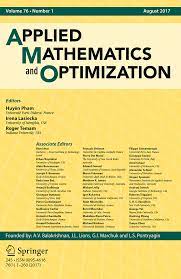
@article{Ortigosa2024b,
title = {Shape-programming in hyperelasticity through differential growth},
author = {Rogelio Ortigosa and Jesús Martínez-Frutos and Carlos Mora-Corral and Pablo Pedregal and Francisco Periago},
editor = {Springer},
url = {https://link.springer.com/10.1007/s00245-024-10117-6?utm_source=rct_congratemailt&utm_medium=email&utm_campaign=oa_20240323&utm_content=10.1007/s00245-024-10117-6},
doi = {10.1007/s00245-024-10117-6},
issn = {1432-0606},
year = {2024},
date = {2024-03-23},
urldate = {2024-12-01},
journal = {Applied Mathematics and Optimization},
volume = {89},
number = {49},
abstract = {This paper is concerned with the growth-driven shape-programming problem, which involves determining a growth tensor that can produce a deformation on a hyperelastic body reaching a given target shape. We consider the two cases of globally compatible growth, where the growth tensor is a deformation gradient over the undeformed domain, and the incompatible one, which discards such hypothesis. We formulate the problem within the framework of optimal control theory in hyperelasticity. The Hausdorff distance is used to quantify dissimilarities between shapes; the complexity of the actuation is incorporated in the cost functional as well. Boundary conditions and external loads are allowed in the state law, thus extending previous works where the stress-free hypothesis turns out to be essential. A rigorous mathematical analysis is then carried out to prove the well-posedness of the problem. The numerical approximation is performed using gradient-based optimisation algorithms. Our main goal in this part is to show the possibility to apply inverse techniques for the numerical approximation of this problem, which allows us to address more generic situations than those covered by analytical approaches. Several numerical experiments for beam-like and shell-type geometries illustrate the performance of the proposed numerical scheme.},
keywords = {21996/PI/22, PID2022-141957OA-C22},
pubstate = {published},
tppubtype = {article}
}

@article{Klein2024,
title = {Nonlinear electro-elastic finite element analysis with neural network constitutive models},
author = {Dominik Klein and Rogelio Ortigosa and Jesús Martínez-Frutos and Oliver Weeger},
editor = {Elsevier},
url = {https://www.sciencedirect.com/science/article/pii/S004578252400166X},
doi = {https://doi.org/10.1016/j.cma.2024.116910},
isbn = {1879-2138},
year = {2024},
date = {2024-03-15},
urldate = {2024-07-01},
journal = {Computer Methods in Applied Mechanics and Engineering},
volume = {425},
abstract = {In the present work, the applicability of physics-augmented neural network (PANN) constitutive models for complex electro-elastic finite element analysis is demonstrated. For the investigations, PANN models for electro-elastic material behavior at finite deformations are calibrated to different synthetically generated datasets describing the constitutive response of dielectric elastomers. These include an analytical isotropic potential, a homogenised rank-one laminate, and a homogenised metamaterial with a spherical inclusion. Subsequently, boundary value problems inspired by engineering applications of composite electro-elastic materials are considered. Scenarios with large electrically induced deformations and instabilities are particularly challenging and thus necessitate extensive investigations of the PANN constitutive models in the context of finite element analyses. First of all, an excellent prediction quality of the model is required for very general load cases occurring in the simulation. Furthermore, simulation of large deformations and instabilities poses challenges on the stability of the numerical solver, which is closely related to the constitutive model. In all cases studied, the PANN models yield excellent prediction qualities and a stable numerical behavior even in highly nonlinear scenarios. This can be traced back to the PANN models excellent performance in learning both the first and second derivatives of the ground truth electro-elastic potentials, even though it is only calibrated on the first derivatives. Overall, this work demonstrates the applicability of PANN constitutive models for the efficient and robust simulation of engineering applications of composite electro-elastic materials.
},
keywords = {21996/PI/22, PID2022-141957OA-C22},
pubstate = {published},
tppubtype = {article}
}

@article{Pérez-Escolar2024,
title = {Learning nonlinear constitutive models in finite strain electromechanics with Gaussian process predictors},
author = {Alberto Pérez-Escolar and Jesus Martinez-Frutos and Rogelio Ortigosa and Nathan Ellmer and Antonio J. Gil},
editor = {Springer},
doi = {10.1007/s00466-024-02446-8},
isbn = {1432-0924},
year = {2024},
date = {2024-02-20},
urldate = {2024-03-01},
journal = {Computational Mechanics},
abstract = {This paper introduces a metamodelling technique that employs gradient-enhanced Gaussian Process Regression (GPR) to emulate diverse internal energy densities based on the deformation gradient tensor F and electric displacement eld D0. The approach integrates principal invariants as inputs for the surrogate internal energy density, enforcing physical constraints like material frame indi erence and symmetry. This technique enables accurate interpolation of energy and its derivatives, including the rst Piola-Kirchho stress tensor and material electric field. The method ensures stress and electric eld-free conditions at the origin, which is challenging with regression-based methods like neural networks. The paper highlights that using invariants of the dual potential of internal energy density, i.e., the free energy density dependent on the material electric eld E0, is inappropriate. The saddle point nature of the latter contrasts with the convexity of the internal energy density, creating challenges for GPR or Gradient Enhanced GPR models using invariants of F and E0 (free energy-based GPR), compared to those involving F and D0 (internal energy-based GPR). Numerical examples within a 3D Finite Element framework assess surrogate
model accuracy across challenging scenarios, comparing displacement and stress elds with ground-truth analytical models. Cases include extreme twisting and electrically induced wrinkles, demonstrating practical applicability and robustness of the proposed approach.},
keywords = {21996/PI/22, PID2022-141957OA-C22},
pubstate = {published},
tppubtype = {article}
}
model accuracy across challenging scenarios, comparing displacement and stress elds with ground-truth analytical models. Cases include extreme twisting and electrically induced wrinkles, demonstrating practical applicability and robustness of the proposed approach.@article{Ellmer2024,
title = {Gradient enhanced gaussian process regression for constitutive modelling in finite strain hyperelasticity},
author = {Nathan Ellmer and Rogelio Ortigosa and Jesus Martinez-Frutos and Antonio J. Gil},
editor = {Elsevier},
doi = {10.1016/j.cma.2023.116547},
isbn = {1879-2138},
year = {2024},
date = {2024-01-05},
urldate = {2024-01-05},
journal = {Computer Methods in Applied Mechanics and Engineering},
volume = {418},
issue = {PART B},
pages = {116547},
abstract = {This paper introduces a metamodelling technique that leverages gradient-enhanced Gaussian process regression (also known as gradient-enhanced Kriging), effectively emulating the response of diverse hyperelastic strain energy densities. The approach adopted incorporates principal invariants as inputs for the surrogate of the strain energy density. This integration enables the surrogate to inherently enforce fundamental physical constraints, such as material frame indifference and material symmetry, right from the outset. The proposed approach provides accurate interpolation for energy and the first Piola–Kirchhoff stress tensor (e.g. first order derivatives with respect to inputs). The paper presents three notable innovations. Firstly, it introduces the utilisation of Gradient-Enhanced Kriging to approximate a diverse range of phenomenological models, encompassing numerous isotropic hyperelastic strain energies and a transversely isotropic potential. Secondly, this study marks the inaugural application of this technique for approximating the effective response of composite materials. This includes rank-one laminates, for which analytical solutions are feasible. However, it also encompasses more complex composite materials characterised by a Representative Volume Element (RVE) comprising an elastomeric matrix with a centred spherical inclusion. This extension opens the door for future application of this technique to various RVE types, facilitating efficient three-dimensional computational analyses at the macro-scale of such composite materials, significantly reducing computational time compared to FEM. The third innovation, facilitated by the integration of these surrogate models into a 3D Finite Element computational framework, lies in the assessment of these models scenarios encompassing intricate cases of extreme twisting and more importantly, buckling instabilities in thin-walled structures, thereby highlighting both the practical applicability and robustness of the proposed approach.},
keywords = {21996/PI/22, PID2022-141957OA-C22},
pubstate = {published},
tppubtype = {article}
}
@article{Ortigosa-Martinez2024b,
title = {Mathematical modeling, analysis and control in soft robotics: a survey},
author = {Rogelio Ortigosa-Martínez and Jesús Martínez-Frutos and Carlos Mora-Corral and Pablo Pedregal and Francisco Periago},
url = {https://doi.org/10.1007/s40324-023-00334-4},
doi = {10.1007/s40324-023-00334-4},
issn = {2281-7875},
year = {2024},
date = {2024-01-01},
urldate = {2024-01-01},
journal = {SeMA Journal},
volume = {81},
number = {1},
pages = {147–164},
keywords = {},
pubstate = {published},
tppubtype = {article}
}
@article{Ortigosa-Martinez2024,
title = {Mathematical modeling, analysis and control in soft robotics: a survey},
author = {Rogelio Ortigosa-Martínez and Jesús Martínez-Frutos and Carlos Mora-Corral and Pablo Pedregal and Francisco Periago},
url = {https://doi.org/10.1007/s40324-023-00334-4},
doi = {10.1007/s40324-023-00334-4},
issn = {2281-7875},
year = {2024},
date = {2024-01-01},
journal = {SeMA Journal},
volume = {81},
number = {1},
pages = {147–164},
keywords = {},
pubstate = {published},
tppubtype = {article}
}
2023

@article{Poya2023b,
title = {Variational schemes and mixed finite elements for large strain isotropic elasticity in principal stretches: Closed‐form tangent eigensystems, convexity conditions, and stabilised elasticity},
author = {Roman Poya and Rogelio Ortigosa and Antonio J. Gil},
doi = {10.1002/nme.7254},
issn = {1097-0207},
year = {2023},
date = {2023-08-30},
urldate = {2023-08-30},
journal = {Numerical Meth Engineering},
volume = {124},
number = {16},
pages = {3436--3493},
publisher = {Wiley},
abstract = {<jats:title>Abstract</jats:title><jats:p>A new computational framework for large strain elasticity in principal stretches is presented. Distinct from existing literature, the proposed formulation makes direct use of principal stretches rather than their squares that is, eigenvalues of Cauchy‐Green strain tensor. The proposed framework has three key features. First, the eigen‐decomposition of the tangent elasticity and initial (geometric) stiffness operators is obtained in closed‐form from principal information alone. Crucially, these newly found eigenvalues describe the general convexity conditions of isotropic hyperelastic energies. In other words, convexity is postulated concisely through tangent eigenvalues supplementing the original work of Ball (<jats:italic>Arch Ration Mech Anal</jats:italic>. 1976; 63(4): 337–403). Consequently, this novel finding opens the door for designing efficient automated Newton‐style algorithms with stabilised tangents via <jats:italic>closed‐form</jats:italic> semipositive definite projection or spectral shifting that converge irrespective of mesh resolution, quality, loading scenario and without relying on path‐following techniques. A critical study of closed‐form tangent stabilisation in the context of isotropic hyperelasticity is therefore undertaken in this work. Second, in addition to high order displacement‐based formulation, mixed Hu‐Washizu variational principles are formulated in terms of principal stretches by introducing stretch work conjugate Lagrange multipliers that enforce principal stretch‐stress compatibility. This is similar to enhanced strain methods. However, the resulting mixed finite element scheme is cost‐efficient, specially compared to approximating the entire strain tensors since the formulation is in the scalar space of singular values. Third, the proposed framework facilitates simulating rigid and stiff systems and those that are nearly‐inextensible in principal directions, a constituent of elasticity that cannot be easily studied using standard formulations.</jats:p>},
keywords = {Applied Mathematics, DICOPMA, General Engineering, Numerical Analysis},
pubstate = {published},
tppubtype = {article}
}

@article{Poya2023,
title = {Geometric Optimisation Via Spectral Shifting},
author = {Roman Poya and Rogelio Ortigosa and Theodore Kim},
doi = {10.1145/3585003},
issn = {1557-7368},
year = {2023},
date = {2023-06-30},
urldate = {2023-06-30},
journal = {ACM Trans. Graph.},
volume = {42},
number = {3},
pages = {1--15},
publisher = {Association for Computing Machinery (ACM)},
abstract = {<jats:p>We present a geometric optimisation framework that can recover fold-over free maps from non-injective initial states using popular flip-preventing distortion energies. Since flip-preventing energies are infinite for folded configurations, we propose a new regularisation scheme that shifts the singular values of the deformation gradient. This allow us to re-use many existing algorithms, especially locally injective methods for initially folded maps. Our regularisation is suitable for both singular value- and invariant-based formulations, and systematically contributes multiple stabilisers to the Hessian. In contrast to proxy-based techniques, we maintain second-order convergence. Compact expressions for the energy eigensystems can be obtained for our extended stretch invariants, enabling the use of fast projected Newton solvers. Although spectral shifting in general has no theoretical guarantees that the global minimum is an injection, extensive experiments show that our framework is fast and extremely robust in practice, and capable of generating high-quality maps from severely distorted, degenerate and folded initialisations.</jats:p>},
keywords = {Computer Graphics and Computer-Aided Design},
pubstate = {published},
tppubtype = {article}
}

@article{Franke2023,
title = {A novel mixed and energy‐momentum consistent framework for coupled nonlinear thermo‐electro‐elastodynamics},
author = {M. Franke and Felix Zähringer and Moritz Hille and Rogelio Ortigosa and P. Betsch and Antonio J. Gil},
doi = {10.1002/nme.7209},
issn = {1097-0207},
year = {2023},
date = {2023-05-30},
urldate = {2023-05-30},
journal = {Numerical Meth Engineering},
volume = {124},
number = {10},
pages = {2135--2170},
publisher = {Wiley},
abstract = {<jats:title>Abstract</jats:title><jats:p>A novel mixed framework and energy‐momentum consistent integration scheme in the field of coupled nonlinear thermo‐electro‐elastodynamics is proposed. The mixed environment is primarily based on a framework for elastodynamics in the case of polyconvex strain energy functions. For this elastodynamic framework, the properties of the so‐called tensor cross product are exploited to derive a mixed formulation via a Hu‐Washizu type extension of the strain energy function. Afterwards, a general path to incorporate nonpotential problems for mixed formulations is demonstrated. To this end, the strong form of the mixed framework is derived and supplemented with the energy balance as well as Maxwell's equations neglecting magnetic and time dependent effects. By additionally choosing an appropriate energy function, this procedure leads to a fully coupled thermo‐electro‐elastodynamic formulation which benefits from the properties of the underlying mixed framework. In addition, the proposed mixed framework facilitates the design of a new energy‐momentum consistent time integration scheme by employing discrete derivatives in the sense of Gonzalez. A one‐step integration scheme of second‐order accuracy is obtained which is shown to be stable even for large time steps. Eventually, the performance of the novel formulation is demonstrated in several numerical examples.</jats:p>},
keywords = {Applied Mathematics, DICOPMA, General Engineering, Numerical Analysis},
pubstate = {published},
tppubtype = {article}
}

@article{García-Cervera2022,
title = {Control of Partial Differential Equations via Physics-Informed Neural Networks},
author = {Carlos J. García-Cervera and Mathieu Kessler and Francisco Periago},
url = {https://link.springer.com/content/pdf/10.1007/s10957-022-02100-4.pdf},
doi = {10.1007/s10957-022-02100-4},
issn = {1573-2878},
year = {2023},
date = {2023-02-00},
urldate = {2023-02-00},
journal = {J Optim Theory Appl},
volume = {196},
number = {2},
pages = {391--414},
publisher = {Springer Science and Business Media LLC},
abstract = {<jats:title>Abstract</jats:title><jats:p>This paper addresses the numerical resolution of controllability problems for partial differential equations (PDEs) by using physics-informed neural networks. Error estimates for the generalization error for both state and control are derived from classical observability inequalities and energy estimates for the considered PDE. These error bounds, that apply to any exact controllable linear system of PDEs and in any dimension, provide a rigorous justification for the use of neural networks in this field. Preliminary numerical simulation results for three different types of PDEs are carried out to illustrate the performance of the proposed methodology.</jats:p>},
keywords = {Applied Mathematics, Control and Optimization, Management Science and Operations Research},
pubstate = {published},
tppubtype = {article}
}
@article{HORAK2023115695,
title = {A polyconvex transversely-isotropic invariant-based formulation for electro-mechanics: Stability, minimisers and computational implementation},
author = {Martin Horák and Antonio J. Gil and Rogelio Ortigosa and Martin Kružík},
url = {https://www.sciencedirect.com/science/article/pii/S0045782522006508},
doi = {https://doi.org/10.1016/j.cma.2022.115695},
issn = {0045-7825},
year = {2023},
date = {2023-01-01},
urldate = {2023-01-01},
journal = {Computer Methods in Applied Mechanics and Engineering},
volume = {403},
pages = {115695},
abstract = {The use of Electro-Active Polymers (EAPs) for the fabrication of evermore sophisticated miniaturised soft robotic actuators has seen an impressive development in recent years. The incorporation of crystallographic anisotropic micro-architectures, within an otherwise nearly uniform isotropic soft polymer matrix, has shown great potential in terms of advanced three-dimensional actuation (i.e. stretching, bending, twisting), especially at large strains, that is, beyond the onset of geometrical pull-in instabilities. From the computational point of view, the design of accurate and robust albeit efficient constitutive models is a very active area of research. This paper introduces a novel polyconvex phenomenological invariant-based transversely isotropic formulation (and relevant computational frameworks) for the simulation of transversely isotropic EAPs at large strains, where the ab initio satisfaction of polyconvexity is exploited to ensure the robustness of numerical results for any range of deformations and applied electric fields. The paper also presents key important results both in terms of the existence of minimisers and material stability of coupled electro-mechanics, enhancing previous works in the area of large strain elasticity. In addition, a comprehensive series of selected numerical examples is included in order to demonstrate the effect that the anisotropic orientation and the contrast of material properties, as well as the level of deformation and electric field, have upon the response of the EAP when subjected to large three-dimensional stretching, bending and torsion, including the possible development of wrinkling and the potential loss of ellipticity in ill-posed constitutive models.},
keywords = {Dielectric elastomers, Electro-elasticity, Finite element method, Polyconvexity, Transversely isotropic},
pubstate = {published},
tppubtype = {article}
}

@article{ORTIGOSA2023346,
title = {Programming shape-morphing electroactive polymers through multi-material topology optimisation},
author = {Rogelio Ortigosa and Jesús Martínez-Frutos and Antonio J. Gil},
url = {https://www.sciencedirect.com/science/article/pii/S0307904X23000410},
doi = {https://doi.org/10.1016/j.apm.2023.01.041},
issn = {0307-904X},
year = {2023},
date = {2023-01-01},
urldate = {2023-01-01},
journal = {Applied Mathematical Modelling},
volume = {118},
pages = {346-369},
abstract = {This paper presents a novel engineering strategy for the design of Dielectric Elastomer (DE) based actuators, capable of attaining complex electrically induced shape morphing configurations. In this approach, a multilayered DE prototype, interleaved with compliant electrodes spreading across the entire faces of the DE, is considered. Careful combination of several DE materials, characterised by different material properties within each of the multiple layers of the device, is pursued. The resulting layout permits the generation of a heterogenous electric field within the device due to the spatial variation of the material properties within the layers and across them. An in-silico or computational approach has been developed in order to facilitate the design of new prototypes capable of displaying predefined electrically induced target configurations. Key features of this framework are: (i) use of a standard two-field Finite Element implementation of the underlying partial differential equations in reversible nonlinear electromechanics, where the unknown fields ot the resulting discrete problem are displacements and the scalar electric potential; (ii) introduction of a novel phase-field driven multi-material topology optimisation framework allowing for the consideration of several DE materials with different material properties, favouring the development of heterogeneous electric fields within the prototype. This novel multi-material framework permits, for the first time, the consideration of an arbitrary number of different N DE materials, by means of the introduction of N−1 phase-field functions, evolving independently over the different layers across the thickness of the device through N−1 Allen-Cahn type evolution equations per layer. A comprehensive series of numerical examples is analysed, with the aim of exploring the capability of the proposed methodology to propose efficient optimal designs. Specifically, the topology optimisation algorithm determines the topology of regions where different DE materials must be conveniently placed in order to attain complex electrically induced configurations.},
keywords = {21996/PI/22, Dielectric elastomer, Finite elements, Multi-material, Phase-field, Topology optimisation},
pubstate = {published},
tppubtype = {article}
}
2022

@article{Remigio-Reyes2022,
title = {Topology optimization-driven design of added rib architecture system for enhanced free vibration response of thin-wall plastic components used in the automotive industry},
author = {Joel Omar Remigio-Reyes and Isaías E. Garduño and José Manuel Rojas-García and Hugo Arcos-Gutiérrez and Rogelio Ortigosa},
doi = {10.1007/s00170-022-10219-x},
issn = {1433-3015},
year = {2022},
date = {2022-11-00},
urldate = {2022-11-00},
journal = {Int J Adv Manuf Technol},
volume = {123},
number = {3-4},
pages = {1231--1247},
publisher = {Springer Science and Business Media LLC},
keywords = {Computer Science Applications, Control and Systems Engineering, DICOPMA, Industrial and Manufacturing Engineering, Mechanical Engineering, Software},
pubstate = {published},
tppubtype = {article}
}
@article{FRANKE2022114298,
title = {A thermodynamically consistent time integration scheme for non-linear thermo-electro-mechanics},
author = {M. Franke and Rogelio Ortigosa and Jesús Martínez-Frutos and Antonio J. Gil and P. Betsch},
url = {https://www.sciencedirect.com/science/article/pii/S0045782521005922},
doi = {https://doi.org/10.1016/j.cma.2021.114298},
issn = {0045-7825},
year = {2022},
date = {2022-01-01},
urldate = {2022-01-01},
journal = {Computer Methods in Applied Mechanics and Engineering},
volume = {389},
pages = {114298},
abstract = {The aim of this paper is the design of a new one-step implicit and thermodynamically consistent Energy–Momentum (EM) preserving time integration scheme for the simulation of thermo-electro-elastic processes undergoing large deformations. The time integration scheme takes advantage of the notion of polyconvexity and of a new tensor cross product algebra. These two ingredients are shown to be crucial for the design of so-called discrete derivatives fundamental for the calculation of the second Piola–Kirchhoff stress tensor, the entropy and the electric field. In particular, the exploitation of polyconvexity and the tensor cross product, enable the derivation of comparatively simple formulas for the discrete derivatives. This is in sharp contrast to much more elaborate discrete derivatives which are one of the main downsides of classical EM time integration schemes. The newly proposed scheme inherits the advantages of EM schemes recently published in the context of thermo-elasticity and electro-mechanics, whilst extending to the more generic case of nonlinear thermo-electro-mechanics. Furthermore, the manuscript delves into suitable convexity/concavity restrictions that thermo-electro-mechanical strain energy functions must comply with in order to yield physically and mathematically admissible solutions. Finally, a series of numerical examples will be presented in order to demonstrate robustness and numerical stability properties of the new EM scheme.},
keywords = {DICOPMA, Dielectric elastomers, Electro active polymers, Energy–momentum scheme, Finite element method, Nonlinear thermo-electro-elastodynamics, Polyconvexity, Tensor cross product},
pubstate = {published},
tppubtype = {article}
}

@article{ORTIGOSA2022141,
title = {Optimal control and design of magnetic field-responsive smart polymer composites},
author = {Rogelio Ortigosa and Jesús Martínez-Frutos and Carlos Mora-Corral and Pablo Pedregal and Francisco Periago},
url = {https://www.sciencedirect.com/science/article/pii/S0307904X21005096},
doi = {https://doi.org/10.1016/j.apm.2021.10.033},
issn = {0307-904X},
year = {2022},
date = {2022-01-01},
urldate = {2022-01-01},
journal = {Applied Mathematical Modelling},
volume = {103},
pages = {141-161},
abstract = {This paper presents a novel in-silico framework for the simultaneous optimal control and design of complex magnetic responsive polymer composite materials. State-of-the-art optimisation techniques are used in conjunction with the latest developments in the numerical solution of hard-magnetic soft materials undergoing large (potentially extreme) deformations, in order to address the challenging task of designing shape-morphing two-dimensional composite magnetic sheets. This paper introduces the following key novelties: (i) an optimisation-driven method for the simultaneous optimal control and design of the externally applied magnetic flux density as well as the remnant magnetisation of hard particles within the elastomer matrix, (ii) the well-posedness character of the optimisation problem is established by proving existence of solutions for both the underlying state equation and the control problem itself, (iii) a gradient-based optimisation algorithm is proposed for the numerical approximation of the problem, where explicit expressions of the continuous gradients are obtained by using the formal Lagrangian method. Furthermore, a series of numerical examples are presented in order to demonstrate the capability of the proposal as an alternative to intuition or experimentally-based approaches, representing an optimisation-driven method that facilitates the design of smart materials yielding complex magnetically induced shape morphing configurations.},
keywords = {DICOPMA, Hard-magnetic soft materials, Magneto-elasticity, Optimal control, Optimal design, Polyconvexity, Shape-morphing},
pubstate = {published},
tppubtype = {article}
}
@article{MARIN2022114358,
title = {Viscoelastic up-scaling rank-one effects in in-silico modelling of electro-active polymers},
author = {Francisco J. Marín and Rogelio Ortigosa and Jesús Martínez-Frutos and Antonio J. Gil},
url = {https://www.sciencedirect.com/science/article/pii/S0045782521006319},
doi = {https://doi.org/10.1016/j.cma.2021.114358},
issn = {0045-7825},
year = {2022},
date = {2022-01-01},
urldate = {2022-01-01},
journal = {Computer Methods in Applied Mechanics and Engineering},
volume = {389},
pages = {114358},
abstract = {This paper analyses the viscoelastic up-scaling effects in electro-active polymers endowed with a micro-structure architecture in the form of a rank-one laminate. The principles of rank-n homogenisation and thermodynamical consistency are combined in the context of extremely deformable dielectric elastomers actuated well beyond the onset of geometrical instabilities. To ensure the robustness of the resulting methodology, Convex Multi-Variable (CMV) energy density functionals enriched with a nonlinear continuum viscoelastic description are used to describe the physics of the individual microscopic constituents. The high nonlinearity of the visco-electro-mechanical problem is resolved via a monolithic multi-scale Newton–Raphson scheme with a Backward-Euler (implicit) time integration scheme. A tensor cross product operation between vectors and tensors and an additive decomposition of the micro-scale deformation gradient (in terms of macro-scale and fluctuation components) are used to considerably reduce the complexity of the algebra. The resulting computational framework permits to explore the time-dependent in-silico analysis of rank-one electro-active polymer composites exhibiting extremely complex deformation patterns, paying particular attention to viscoelastic up-scaling effects. A comprehensive series of numerical examples is presented, where specially revealing conclusions about the rate-dependency of the composite electro-active polymer are observed as a function of its microstructure orientation and viscoelastic content. In a rectangular film subjected to extreme bending deformation, two different deformation modes are observed with one prevailing mode depending on the laminate composition. For the case of a square membrane where extreme deformation induces buckling, it is shown that the viscoelastic contribution leads to larger values of (stable) deformation, due to the regularisation that viscoelasticity inherently provides.},
keywords = {DICOPMA, Electro-active polymer, Finite element method, Nonlinear electro-elasticity, Rank-one laminates, Viscoelasticity},
pubstate = {published},
tppubtype = {article}
}

@inproceedings{10.1007/978-3-031-15908-4_7,
title = {In-silico Design and Computational Modelling of Electroactive Polymer Based Soft Robotics},
author = {Antonio J. Gil and Rogelio Ortigosa and Jesús Martínez-Frutos and Nathan Ellmer},
editor = {Salvador Pacheco-Gutierrez and Alice Cryer and Ipek Caliskanelli and Harun Tugal and Robert Skilton},
isbn = {978-3-031-15908-4},
year = {2022},
date = {2022-01-01},
urldate = {2022-01-01},
booktitle = {Towards Autonomous Robotic Systems},
pages = {81–91},
publisher = {Springer International Publishing},
address = {Cham},
abstract = {The use of Electro-Active Polymers (EAPs) for the fabrication of evermore sophisticated miniaturised soft robotic actuators has seen an impressive development in recent years. This paper unveils the latest computational developments of the group related to three significant challenges presented in the in-silico modelling of EAPs, that are being explored with our in-house computational platform. These challenges, unique to the simulation of EAPs, include (i) robustly resolving the onset of potentially massive strains as a result of the significant flexibility of EAP components for soft robotics; (ii) accurately capturing the properties of multi-phased composites at a micro-scale within the macroscopic fields used in well-established computational modelling approaches (i.e. Finite Element Method); and (iii) optimising the electrode meso-architecture to enable device customisation for specific application required deformations. This paper also aims to demonstrate the in-silico design tools capability, robustness and flexibility, provided through a comprehensive set of numerical examples, including some novel results in electrode and EAP multi-material optimisation. With the upcoming addition of a 3D Direct-Ink-Writer (DIW) printer, the authors aim to close the loop allowing for in-house device design and optimisation, simulation and analysis as well as fabrication and testing.},
keywords = {DICOPMA},
pubstate = {published},
tppubtype = {inproceedings}
}
@article{KLEIN2022115501,
title = {Finite electro-elasticity with physics-augmented neural networks},
author = {Dominik K. Klein and Rogelio Ortigosa and Jesús Martínez-Frutos and Oliver Weeger},
url = {https://www.sciencedirect.com/science/article/pii/S004578252200514X},
doi = {https://doi.org/10.1016/j.cma.2022.115501},
issn = {0045-7825},
year = {2022},
date = {2022-01-01},
urldate = {2022-01-01},
journal = {Computer Methods in Applied Mechanics and Engineering},
volume = {400},
pages = {115501},
abstract = {In the present work, a machine learning based constitutive model for electro-mechanically coupled material behavior at finite deformations is proposed. Using different sets of invariants as inputs, an internal energy density is formulated as a convex neural network. In this way, the model fulfills the polyconvexity condition which ensures material stability, as well as thermodynamic consistency, objectivity, material symmetry, and growth conditions. Depending on the considered invariants, this physics-augmented machine learning model can either be applied for compressible or nearly incompressible material behavior, as well as for arbitrary material symmetry classes. The applicability and versatility of the approach is demonstrated by calibrating it on transversely isotropic data generated with an analytical potential, as well as for the effective constitutive modeling of an analytically homogenized, transversely isotropic rank-one laminate composite and a numerically homogenized cubic metamaterial. These examinations show the excellent generalization properties that physics-augmented neural networks offer also for multi-physical material modeling such as nonlinear electro-elasticity.},
keywords = {Constitutive modeling, Electro-active polymers, Homogenization, Nonlinear electro-elasticity, Physics-augmented machine learning},
pubstate = {published},
tppubtype = {article}
}